Migrating to the Cloud: Best Practices and Considerations
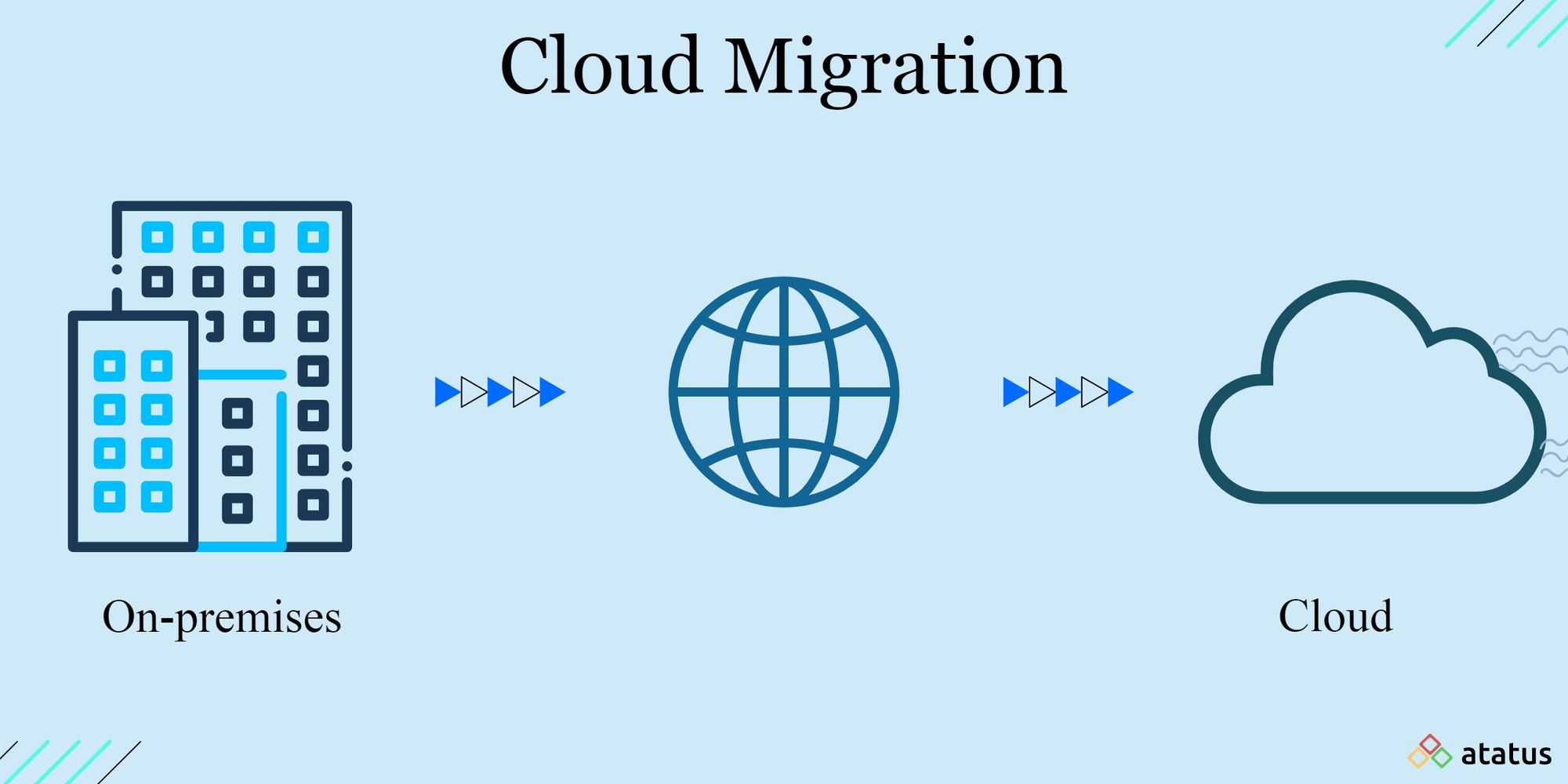
The modern business environment has undergone a significant shift to cloud computing over the last ten years, offering several advantages such as scalability, savings and improved accessibility. As a result, many organizations are considering moving applications and data to the cloud. However, this transition can be challenging if not done correctly. In this article, we'll introduce some best practices and considerations to help you effectively transition to the cloud.
Assess Your Current Infrastructure -
Before starting a cloud migration, it's important to assess your current infrastructure to determine which applications and data need to be migrated to the cloud. This process should include:
Identifying the applications that will benefit most from cloud migration.
Assess your current IT infrastructure and its compatibility with the cloud.
Assessment of data protection, security and compliance requirements.
Evaluation of costs and possible savings related to the transfer.
Choose the Right Cloud Service Provider -
One of the most important steps in the migration process is choosing the appropriate cloud service provider (CSP). When selecting a CSP, some things to keep in mind are as follows:
Performance and dependability: Make sure the service gives a dependable performance that satisfies the requirements of your organization.
Security and compliance: Examine the provider's certifications and security protocols to make sure they comply with the standards set by your company.
Pricing models and contracts: Pricing terms should be compared to make sure they are appropriate for your organization's budget and long-term goals.
Some popular CSPs include Amazon Web Services (AWS), Microsoft Azure, and Google Cloud Platform (GCP).
Develop a Cloud Migration Plan -
A carefully thought-out migration strategy is necessary for a seamless shift to the cloud. Your strategy must incorporate:
A thorough schedule for the migration procedure.
All team members participating should have clear roles and responsibilities.
Risk evaluation and mitigation tactics.
A strategy for keeping stakeholders updated on the migration's status.
The migration strategy should include specifying any required integration or re-architecting work, as well as the precise processes required to transfer each application and dataset to the cloud.
Implement a Phased Migration Approach -
A phased migration strategy helps reduce risks and any disruptions related to the move. This strategy often includes:
Pilot phase: To test the procedure and find any potential problems, migrate a tiny, unimportant application or dataset to the cloud.
Incremental Phase: During the incremental phase, take care of any problems discovered during the pilot phase as you gradually migrate more applications and data.
Full-scale migration: Complete the migration of all remaining applications and data.
You may reduce downtime, ensure a smoother transition, and increase your level of confidence in the migration process by employing a staged strategy.
Optimize for Cloud Performance and Cost -
The performance and cost of your applications and data must be optimized once they are in the cloud. Among the optimization techniques are:
Monitoring and analyzing cloud usage continuously to find development opportunities.
Putting auto-scaling into practice to modify resources based on demand.
Using cloud-native features and services to boost efficiency and cost.
Prepare Your Team for the Cloud -
Changing to the cloud frequently calls for learning new skills and knowledge. Make sure your group is ready by:
Training on cloud technology and recommended practices.
Creating a center of excellence for cloud computing to assist continuing cloud efforts.
Promoting a culture of lifelong learning and development.
In conclusion, moving to the cloud can provide your company with a variety of advantages, but it necessitates proper preparation and execution. You may ensure a smooth move to the cloud by adhering to these best practices and concerns.